Introduction
The albino turtle is one of the rarest and most captivating variations found in the reptile world. Unlike typical turtles, the albino turtle lacks pigmentation due to a genetic condition, giving it a pale or white appearance often paired with pink or red eyes. This unique look makes the albino turtle highly sought after by collectors, researchers, and wildlife enthusiasts alike. Despite its beauty, the albino turtle faces several challenges in the wild, making its survival a remarkable feat. Understanding the albino turtle provides insight into genetics, biodiversity, and the delicate balance of ecosystems.
What Makes an Albino Turtle Unique?
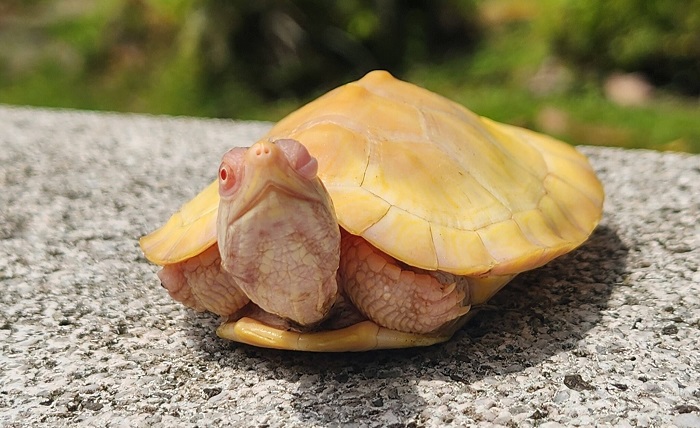
An albino turtle stands out because of its lack of melanin, the pigment responsible for coloration in animals. This absence of melanin causes the albino turtle to have a pale shell and skin, often with visible blood vessels that create a pinkish hue. The eyes of an albino turtle are typically red or light pink, which is another defining characteristic. Unlike leucistic turtles, which may retain some pigmentation, the albino turtle completely lacks it. This genetic anomaly makes each albino turtle incredibly rare, and spotting one in the wild is considered a once-in-a-lifetime experience.
The Genetics Behind the Albino Turtle
The albino turtle is the result of a recessive genetic mutation that affects melanin production. For an albino turtle to be born, both parent turtles must carry the albino gene, even if they appear normal. This makes the occurrence of an albino turtle relatively rare in natural environments. Breeders who specialize in reptiles sometimes intentionally breed turtles to produce an albino turtle, but this requires careful genetic pairing. The study of the albino turtle helps scientists understand hereditary traits and genetic diversity in reptiles, offering valuable knowledge for conservation efforts.
Natural Habitat and Survival Challenges of the Albino Turtle
In the wild, the albino turtle faces significant survival challenges due to its lack of camouflage. A typical turtle blends into its surroundings, but the bright coloration of an albino turtle makes it highly visible to predators. This increased visibility reduces the chances of survival for a young albino turtle. Additionally, the albino turtle is more sensitive to sunlight because it lacks protective pigmentation, making it prone to sun damage. These factors contribute to the rarity of the albino turtle in natural habitats such as rivers, lakes, and wetlands.
Albino Turtle in Captivity: Care and Considerations
Keeping an albino turtle in captivity requires special attention to its unique needs. Because the albino turtle is sensitive to light, owners must provide controlled lighting conditions to prevent harm. UV exposure should be carefully managed, as excessive light can damage the albino turtle’s skin and eyes. The habitat for an albino turtle should include shaded areas, clean water, and a balanced diet rich in nutrients. Proper care ensures that the albino turtle can thrive in captivity, often living longer than it would in the wild.
Popular Species Featuring the Albino Turtle Trait
Several turtle species can exhibit the albino turtle trait, including red-eared sliders, snapping turtles, and softshell turtles. Among these, the albino turtle version of the red-eared slider is particularly popular due to its striking appearance and manageable size. Each albino turtle species has its own care requirements, but all share the same genetic condition that results in their distinctive look. The diversity among albino turtle species adds to their appeal and highlights the fascinating variability within the reptile world.
Ethical Concerns Surrounding the Albino Turtle Trade
The demand for the albino turtle in the pet trade has raised ethical concerns among conservationists. While captive breeding of the albino turtle can be sustainable, illegal collection from the wild poses a threat to natural populations. Additionally, some breeders prioritize appearance over health, which can lead to genetic issues in the albino turtle. Ethical ownership of an albino turtle involves sourcing from reputable breeders and ensuring that the animal is raised in humane conditions. Awareness and responsible practices are crucial to protecting the future of the albino turtle.
Why the Albino Turtle Captivates People Worldwide
The albino turtle captivates people because of its rarity and ethereal beauty. Its unique appearance often sparks curiosity and admiration, making the albino turtle a symbol of uniqueness in the animal kingdom. Social media and wildlife documentaries have further increased the popularity of the albino turtle, showcasing its distinct characteristics to a global audience. Beyond aesthetics, the albino turtle represents the wonders of genetic diversity and the importance of preserving rare species.
Conclusion
The albino turtle is a remarkable example of nature’s diversity, combining genetic rarity with striking beauty. From its unique physical traits to the challenges it faces in the wild, the albino turtle offers valuable lessons in biology, conservation, and ethical responsibility. Whether observed in nature or cared for in captivity, the albino turtle continues to fascinate and inspire. Protecting and understanding the albino turtle ensures that future generations can appreciate this extraordinary creature.
FAQs
1. What is an albino turtle?
An albino turtle is a turtle with a genetic condition that prevents it from producing melanin, resulting in a pale or white appearance and red eyes.
2. Are albino turtles rare?
Yes, the albino turtle is extremely rare in the wild because both parents must carry the recessive gene for it to occur.
3. Can an albino turtle survive in the wild?
An albino turtle can survive in the wild, but it faces greater risks from predators and sunlight due to its lack of camouflage and pigmentation.
4. Is it legal to own an albino turtle?
Owning an albino turtle is legal in many places, but regulations vary, so it’s important to check local laws before acquiring one.
5. How do you care for an albino turtle?
Caring for an albino turtle involves providing controlled lighting, proper nutrition, clean water, and a safe, shaded environment.