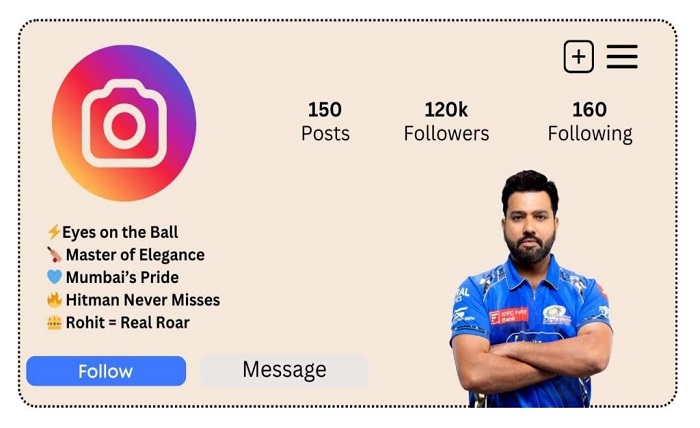
Social profiles and live scores now live on the same screen. One moment a user edits a bio or swaps a profile picture, the next they are tracking a chase across a few tense overs. When the live match view stays clean and reliable, it becomes a constant source of fresh details that can power short descriptions, captions, and highlight lines without turning matchdays into a noisy blur.
From Live Scores To One-Line Profiles
Short bios and status lines are a form of quick storytelling. They frame how followers see a profile before opening any deeper content. On matchdays, many people want that story to reflect what is happening on the field right now – a big tournament, a favorite team on a tough chase, or a bowler in form. That requires a scoreboard that can be trusted at a glance. If totals, wickets, and overs always sit in the same places and load even on a weak connection, users can lift details straight from the screen and shape them into clean, confident lines.
Fans who want a deeper feel for the game tap to read more on a stable live page that reacts quickly to every over. That page carries the structure that a short bio cannot hold – current run rate, required runs, recent balls, and basic context about the fixture. People scan those details, decide what captures the moment best, then compress it into a single phrase that fits an about section, a pinned comment, or a story highlight. The live feed keeps supplying raw material, while the profile shows a curated slice that still stays truthful.
Designing Match-Linked Bios For Fast Readers
Profile visitors skim. They decide in seconds whether to stay, react, or move on. Match-focused bios therefore have to carry clear meaning in very little space. They should echo the rhythm of the live game without copying full score lines. A good approach is to treat each update as a distilled version of what the scoreboard already shows, guided by how the current innings feels rather than by every statistic available on the page.
To keep that process simple, many creators lean on a few steady principles when building or refreshing match-linked profile lines:
- Anchor bio text in the current format or stage of the competition instead of generic claims about loving sport.
- Reference pressure states such as tight chases or early collapses rather than listing old trophies or seasons.
- Use verbs that match live action – chasing, defending, rebuilding, closing – instead of vague labels.
- Keep timing cues honest by updating when innings, series, or tours change.
- Avoid copying commentary phrases that will feel dated once the match ends.
These patterns make bios easier to understand for visitors who arrive halfway through a tournament. Even if they do not see the game in real time, they can read the description and know roughly what kind of journey is unfolding on the profile.
Micro-Stories Built From Overs And Highlights
Each over writes a tiny story of its own. A string of dots paints a different picture from a mix of singles and boundaries. Profile owners who understand this treat live match data as a sequence of prompts. A calm powerplay might inspire language about patience or structure. A burst of late hitting might push them toward bolder, more energetic phrases. The live page acts as a reference map, showing which phase the game is currently in and how that phase might translate into a short, shareable statement.
Why Brevity Works During Live Play
Live sessions leave little room for long rewrites. People are chatting, reacting, and switching apps, so any profile update has to be drafted quickly and still make sense later. Brevity helps because it forces a choice about what really matters. Instead of trying to capture every twist in the last over, the line might highlight one clear feature, such as a tough requirement that was met or a partnership that steadied the chase. The scoreboard already holds the full record. The bio only needs to carry the part that defines the mood. This makes it easier to keep profiles fresh during intense fixtures without losing control of tone or accuracy.
Matching Profile Tone To Live Match Energy
A profile that references live sport has to balance emotion with stability. Followers expect some excitement when a big fixture is on, yet they also want a clear sense of the person behind the account. That means match-related lines should support long-term identity instead of replacing it. A fan who usually posts careful analysis might use restrained, thoughtful wording even after a dramatic finish. Someone whose presence is lighter and more playful might lean into quips when a chase swings. In both cases, the live page guides the content, while the existing brand guides voice.
This balance becomes more important during stretches where matches come quickly. Constantly rewriting bios to mirror every result can confuse followers. A better pattern is to let the static part of the profile describe stable interests, and then attach dynamic match cues in parts of the interface designed for fast change, such as display names, short intros, or pinned comment fields. The live scoreboard informs these elements without overwhelming deeper sections that are meant to hold steady across weeks and series.
Storing Match Moments In Profiles Without Clutter
Profiles can act as a quiet archive of match memories when used with care. Instead of saving every result, owners can choose a small number of high-impact moments each season and bake them into their long-term description. Those might include a record chase that shifted how a team is viewed, a debut that changed the shape of a squad, or a final that closed a long rivalry. The live page provides exact figures for those events, so any numbers added to the profile remain accurate.